
The football offside rule confuses new viewers, yet the core idea fits in one clear sentence. An attacker stands offside when ahead of the second-last opponent as the ball is played toward them. Goalkeepers usually count as the last defender, so beat the final outfield line fairly. Because timing decides everything, study runs frame by frame with Football Corner Kick examples.
Table of Contents
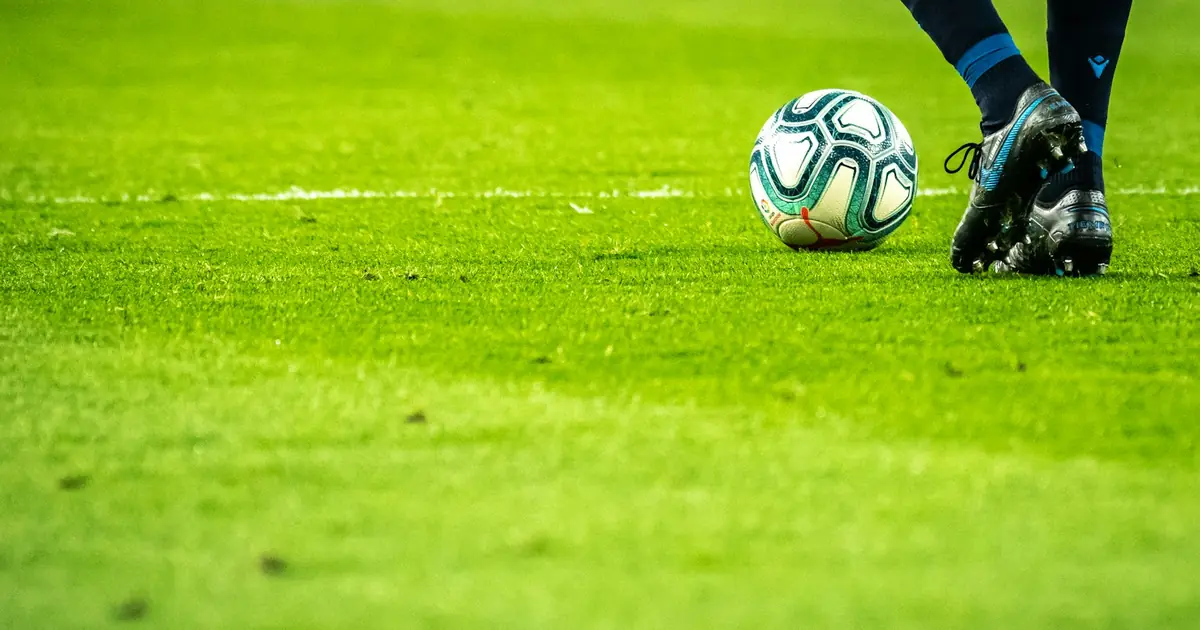
How the football offside rule changes with player positioning
Position is judged the instant a teammate plays the ball, not when the striker receives it, which surprises most beginners. Arms and hands stay out of the calculation for every attacker on the pitch. Players level with the second-last opponent remain safely onside by a forehead. No offence exists from goal kicks, throw-ins, or corner kicks under current interpretations. Because snapshots mislead casual eyes, always rewind to the exact kick moment first. Compare Football Extra Time chaos where tired legs mistime late runs. Linesmen sprint level with play to keep the perfect viewing angle.
Video review now checks millimetres, and the football offside rule feels harsher under calibrated lines. Semi-automated systems track body points and flag the smallest lean beyond defenders. Attackers respond by arching runs and delaying sprints until release. Because margins shrank to toenails, coaches drill timing with slow-motion clips every single week. Forwards arch chests backward to stay level at full sprint. Defenders step up in sync to spring organized traps.
Why modern football offside rule calls spark debates
Armpit offsides and toenail calls dominate debates because the football offside rule punishes posture, not intent. A sleeve ahead counts while hands never do, which feels absurd to lifelong supporters. Pundits argue spirit against letter across every weekend broadcast. The exact wording sits in FIFA's official football offside rule guide for supporters who want the primary source. Because feelings run hot, separate the law from its application first. Read the exact offside wording twice before judging tight replay calls. Context beats screenshots.
Benefit once went to attackers on level calls, though modern officiating flipped that mercy toward defenders. Assistant referees delay flags to let phases finish, then raise after goals for review. Players celebrate cautiously while waiting for silent checks to clear. Because delayed flags confuse crowds, strikers must play every whistle until confirmation. Strikers play through every doubtful shout until whistles blow. Crowds groan at frozen celebrations weekly.
7 real match examples proving football offside rule logic
Classic patterns teach faster than paragraphs of theory ever could. A mistimed through ball strands eager wingers beyond the line before release. Rebounds off the woodwork punish lurkers who started ahead during the shot. Flick-ons from throw-ins stay legal since throws exempt everyone involved. Review Football Corner Kick for legal routines plus Football Extra Time for late chaos and Blog for weekly guides. Save three textbook examples for preseason study sessions. Quiz friends often.
Train your eye with one habit that professionals swear by daily. Freeze replays at the passer's plant foot and draw the line yourself. Compare your call with the broadcast graphic before checking results. Over a month this drill sharpens judgment beyond casual guessing games. Log every overturned call in a small journal monthly. Patterns emerge fast.
Freeze one replay tonight, draw your own line, and compare calmly with the broadcast tonight.